
Description
The BB4 Mini Photogrammetry and LiDAR Drone
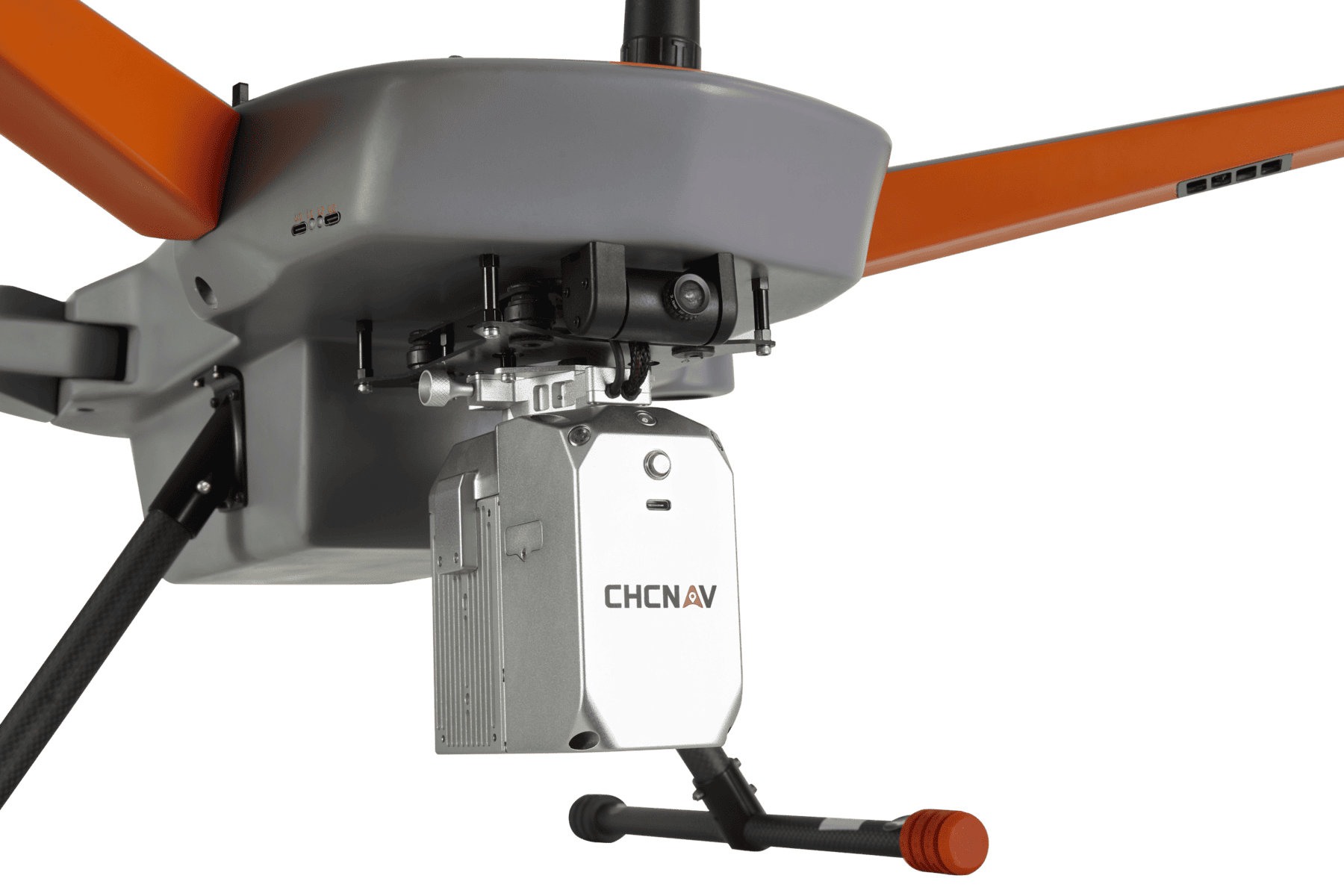
The modern BB4 mini quadrotor UAV boasts an innovative intelligent flight control system that revolutionizes data acquisition for surveying and mapping applications. This advanced system seamlessly integrates LiDAR and camera technology, offering a multi-scene data collection capability. Its standout features include remarkable endurance and versatility, setting a new standard for efficient data capture while marrying intelligence with exceptional performance.
Advanced Intelligent Flight Control System: The BB4 mini is at the forefront of drone technology with its brand-new intelligent flight control system. This system is not just a technological leap forward, but it’s a game-changer for surveying and mapping applications. It utilizes cutting-edge algorithms and software to enhance flight stability, precision, and automation. This means the UAV can adapt to different scenarios and conditions, ensuring that data acquisition is precise and consistent.
Multi-Scene Data Acquisition: The integration of LiDAR and camera technology is a significant feature of the BB4 mini. LiDAR (Light Detection and Ranging) provides the ability to create highly detailed 3D maps of the environment, while the camera adds high-resolution visual data. Together, these technologies enable the UAV to capture data from various angles and perspectives, making it incredibly versatile for different surveying and mapping tasks. It’s not limited to a single type of data but can acquire comprehensive and detailed information, making it valuable for applications ranging from land surveys to infrastructure inspections.
Long Endurance: The BB4 mini’s exceptional endurance is made possible through an advanced manufacturing process, known as the IWF manufacturing process. This process ensures the UAV’s high strength and light weight, making it capable of extended flight times. Longer endurance is a significant advantage for surveying and mapping applications. It means the UAV can cover larger areas without needing frequent battery changes, reducing downtime and increasing operational efficiency.
Switchable Payload: Another key feature of the BB4 mini is its switchable payload system. This innovation simplifies the process of changing the payload, which can include different LiDAR options, oblique cameras, ortho cameras, and more. The ability to switch payloads quickly and easily means that the UAV can adapt to a variety of tasks without the need for extensive reconfiguration.
Simple Operation and Portability: The BB4 mini is designed with user-friendliness in mind. It can go from being unpacked to airborne in less than five minutes, making it a highly efficient tool for professionals in the field. The design features detachable legs and a foldable arm structure, which not only minimizes storage space but also simplifies transport. The lightweight frame and modular design are complemented by a robust transport case, ensuring that it can be carried and towed with minimal effort.
Intelligent Operation: The UAV’s intelligent operation extends to mission planning and control. Users can plan missions on a desktop PC or a remote field controller using CHCNAV’s self-designed GS Control software. The terrain-following function simplifies flight planning by utilizing data from the cloud, ensuring that the drone maintains optimal altitude and avoids obstacles. The intuitive interface also provides easy access to drone and payload controls, enhancing the overall user experience and flight efficiency.
Flight Control Sensor Redundancy: Safety and reliability are paramount in UAV operations. The BB4 mini takes this seriously with extensive redundancies and safety mechanisms. Dual flight control system sensors, dual control signal links, dual intelligent batteries, and dual transmission links all work together to maximize flight safety and ensure critical missions can continue even in unexpected scenarios.
The BB4 mini quadrotor UAV is a comprehensive solution that brings together cutting-edge technology, precision data acquisition, extended endurance, adaptability, ease of use, and safety. It redefines the capabilities of UAVs for surveying and mapping applications and provides professionals with a powerful tool for their fieldwork.
FAQs
Yes. The BB4 Mini uses a switchable payload system that supports multiple LiDAR options as well as orthographic and oblique cameras. The quick-lock design makes it possible to change payloads for different surveying and mapping requirements without using the aircraft as a single-purpose platform.
Flight endurance depends significantly on the payload. CHCNAV specifies more than 50 minutes with a 1 kg AlphaAir 450 LiDAR payload and approximately 32 minutes with a 3 kg payload. The 3 kg figure is the maximum payload capacity, so heavier configurations should be planned around their shorter available flight time rather than the maximum endurance.
The BB4 Mini can provide centimeter-level positioning in images through its dual RTK system, which can reduce or eliminate the need for GCPs in some mapping workflows. Whether GCPs are required for a particular project still depends on the required accuracy, deliverables, local survey standards, and how the final data will be independently checked.
Yes. The BB4 Mini supports RTK positioning, and the product configuration is designed to work with NTRIP correction workflows. This allows the aircraft to receive network-based corrections when an appropriate RTK service and coverage are available, rather than requiring a local base station for every project.
Mission planning and flight control are handled through CHCNAV’s GS Control software, which can be run from a desktop PC or remote field controller. The software supports automated mission planning and terrain-following functions, with terrain information downloaded from the cloud to help maintain the planned flight profile.
CHCNAV specifies less than five minutes from unpacking and installation through route planning and takeoff. The foldable X-shaped arms and detachable legs reduce the space needed for transport and storage, which is useful for survey crews moving between multiple sites.
The BB4 Mini’s terrain-following capability is designed to help maintain the planned flight profile as ground elevation changes. This can be particularly useful for mapping areas with varying terrain, although flight planning still needs to account for local obstacles, operating conditions, and the requirements of the selected payload.
The platform incorporates redundant flight-control sensors, control-signal links, transmission links, and intelligent batteries. It also uses dual RTK antennas to support its positioning system. These redundant components are intended to improve flight reliability and provide additional resilience during professional data-collection missions.
Yes. The platform is designed around interchangeable payloads, so the same aircraft can support LiDAR mapping as well as aerial photogrammetry using compatible CHCNAV cameras. The C5 and C30 cameras, for example, are specifically documented as compatible with the BB4 Mini, allowing the platform to support orthographic and oblique photogrammetry workflows.


Reviews
There are no reviews yet.