
Drone Survey Accuracy Explained: GCPs, RTK, PPK & Tolerances
A drone can capture a thousand-acre site in a few hours, generate photorealistic 3D models, and produce orthomosaics sharp enough to count fence posts. That


A drone can capture a thousand-acre site in a few hours, generate photorealistic 3D models, and produce orthomosaics sharp enough to count fence posts. That
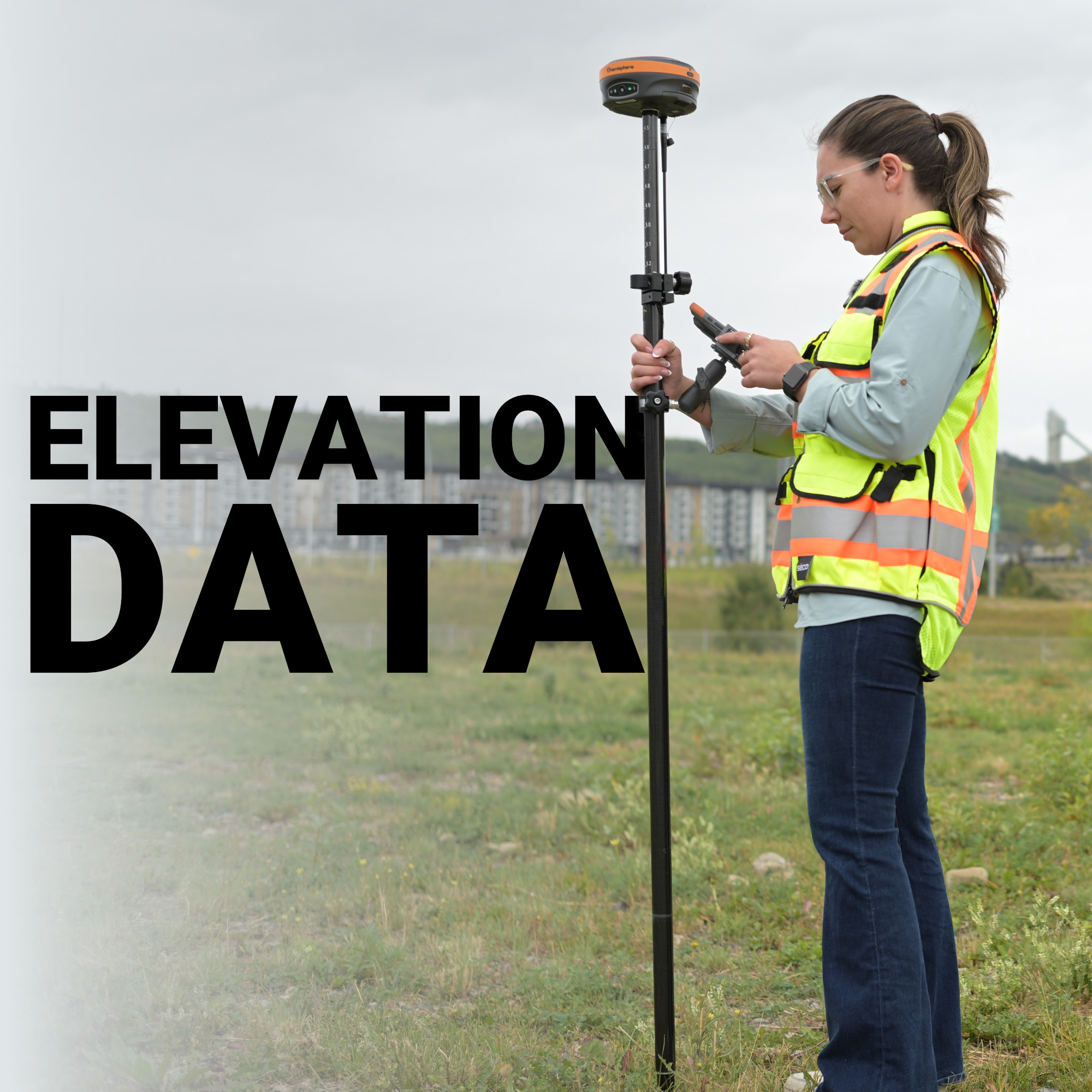
When your GNSS receiver locks onto satellites and reports a position, the horizontal coordinates are only half the story. The elevation value your system returns
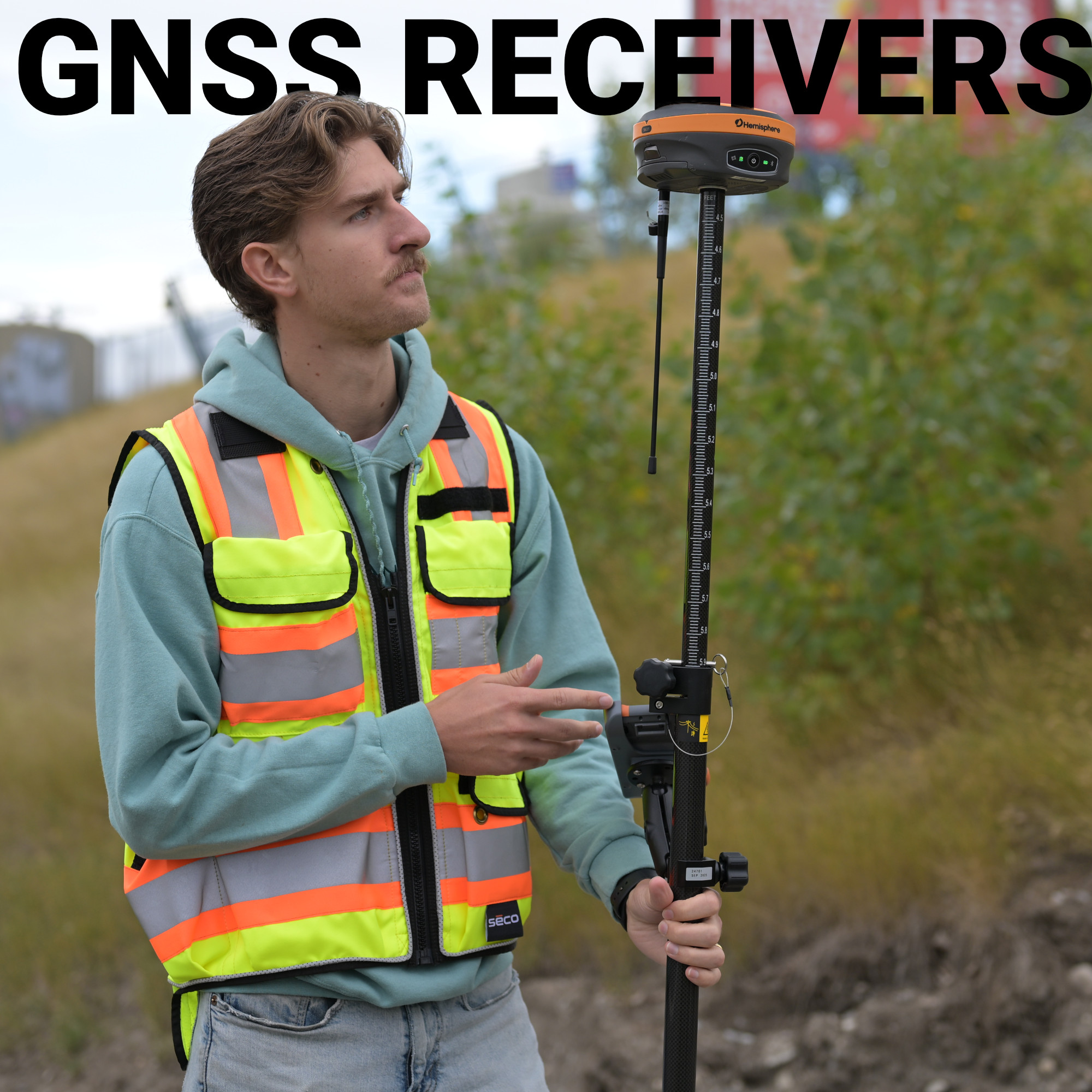
Satellite signals reach Earth after travelling roughly 20,000 kilometres through the atmosphere, arriving at your antenna weaker than the hum of a microwave oven. What
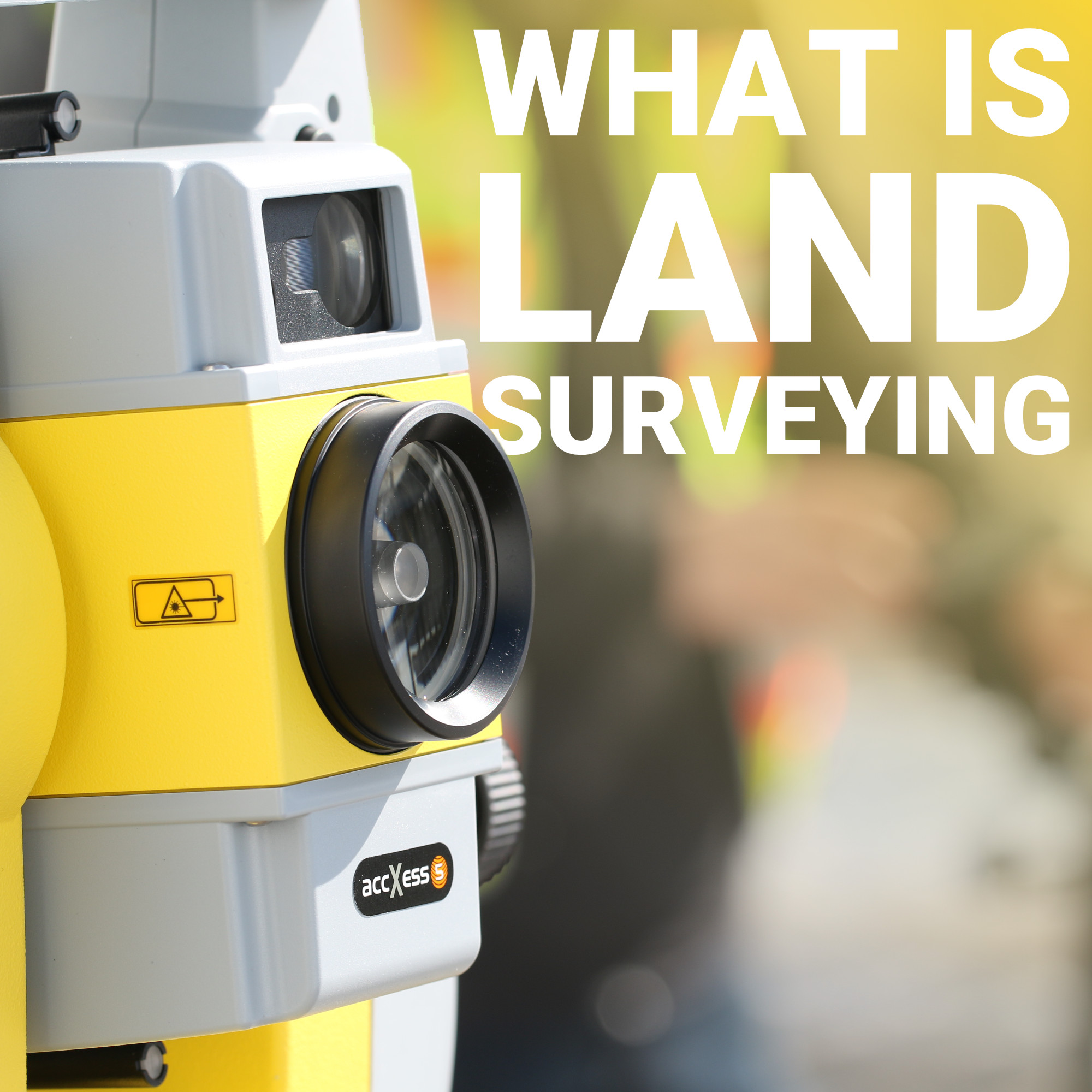
Architects design what a building will look like. Engineers calculate how it will stand. But before either of those conversations can happen, someone has to

Every coordinate you collect in the field, every map you deliver to a client, every drone survey that gets turned into a usable deliverable rests
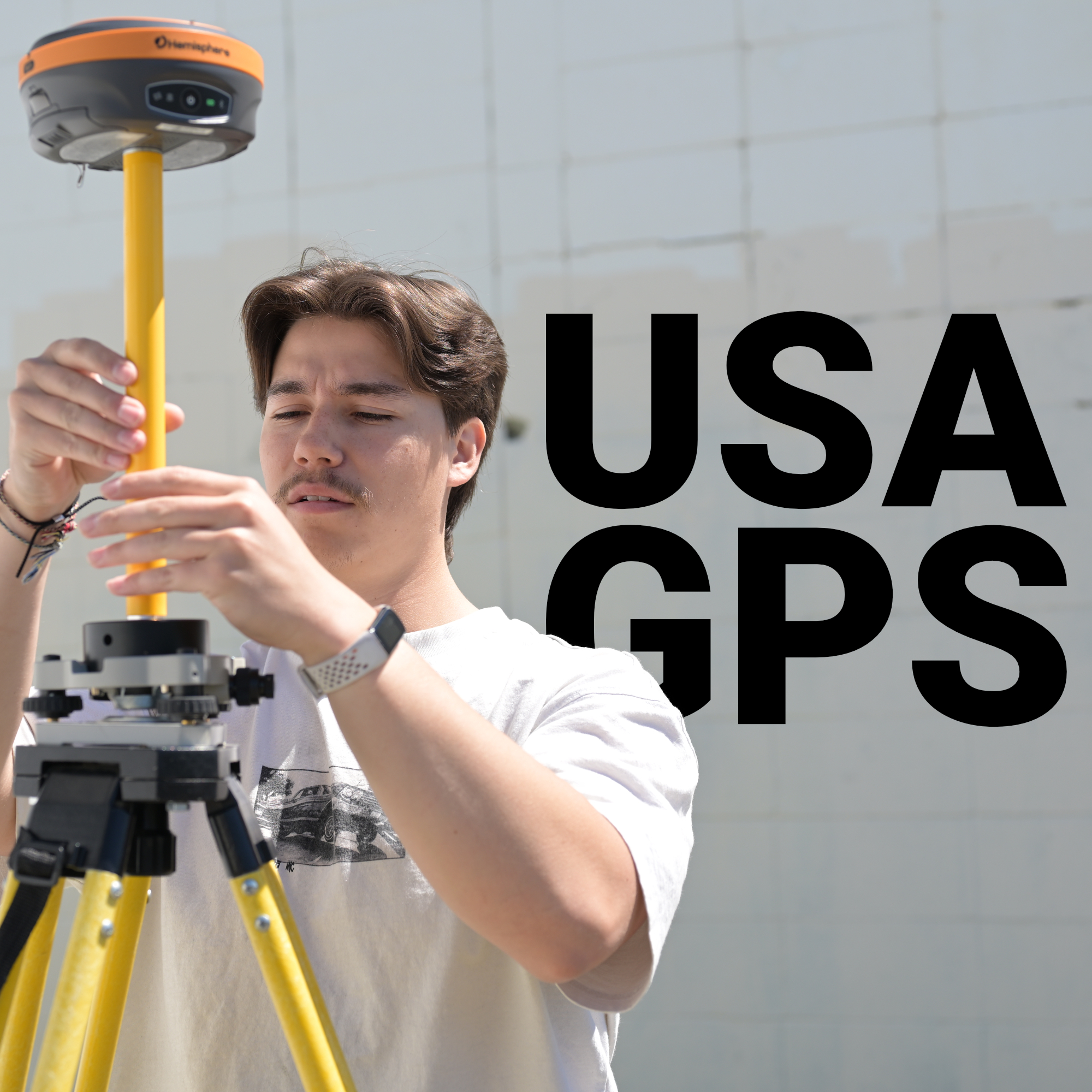
The Global Positioning System that launched as a military tool in the 1970s wasn’t designed with land surveyors in mind. For years after it became
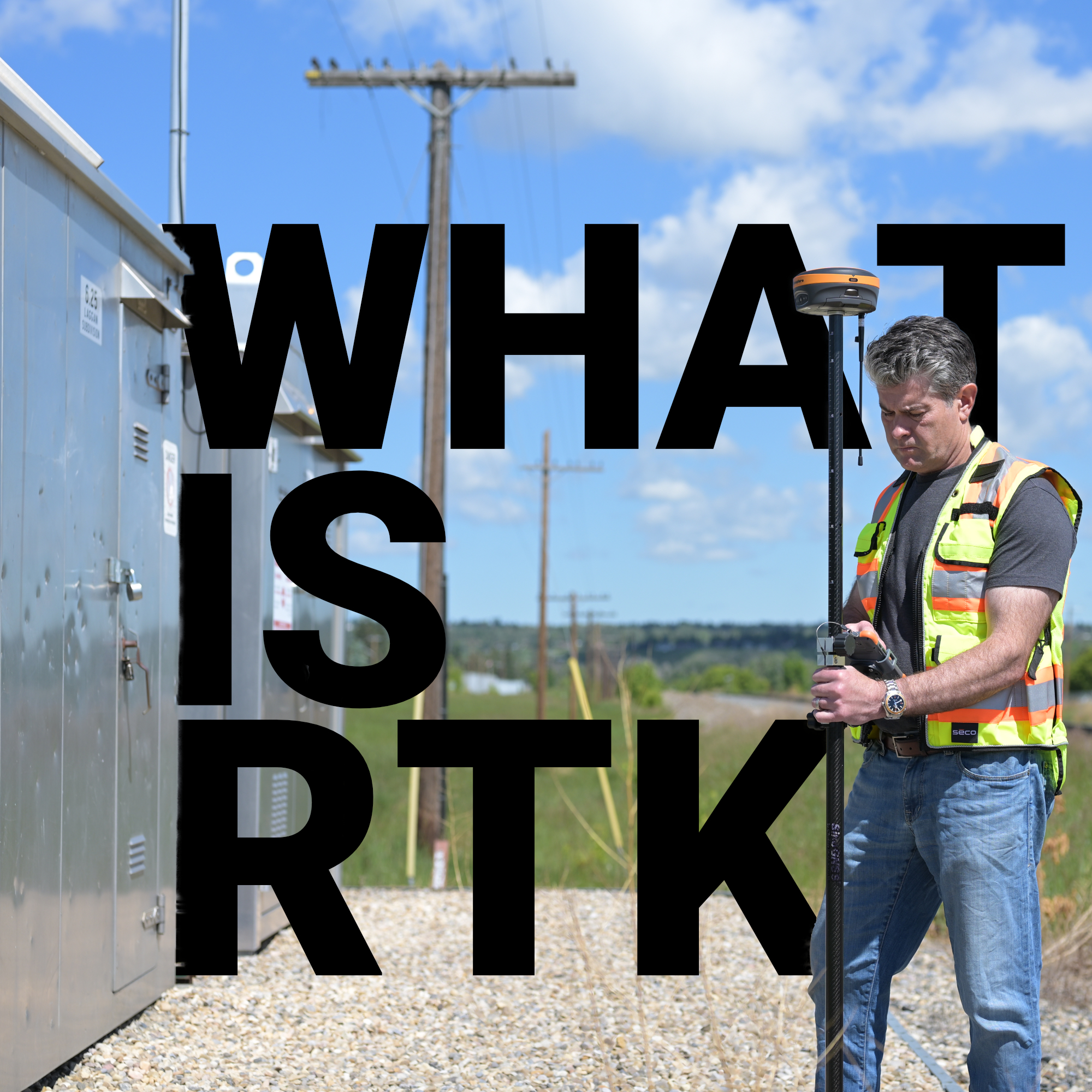
Before GPS became a household word, surveyors spent days establishing control networks just to tie a single project to a known coordinate. Today, a surveyor
Before a coordinate ever lands in your field software, your GNSS receiver has already done something most surveyors never think about: it translated raw satellite
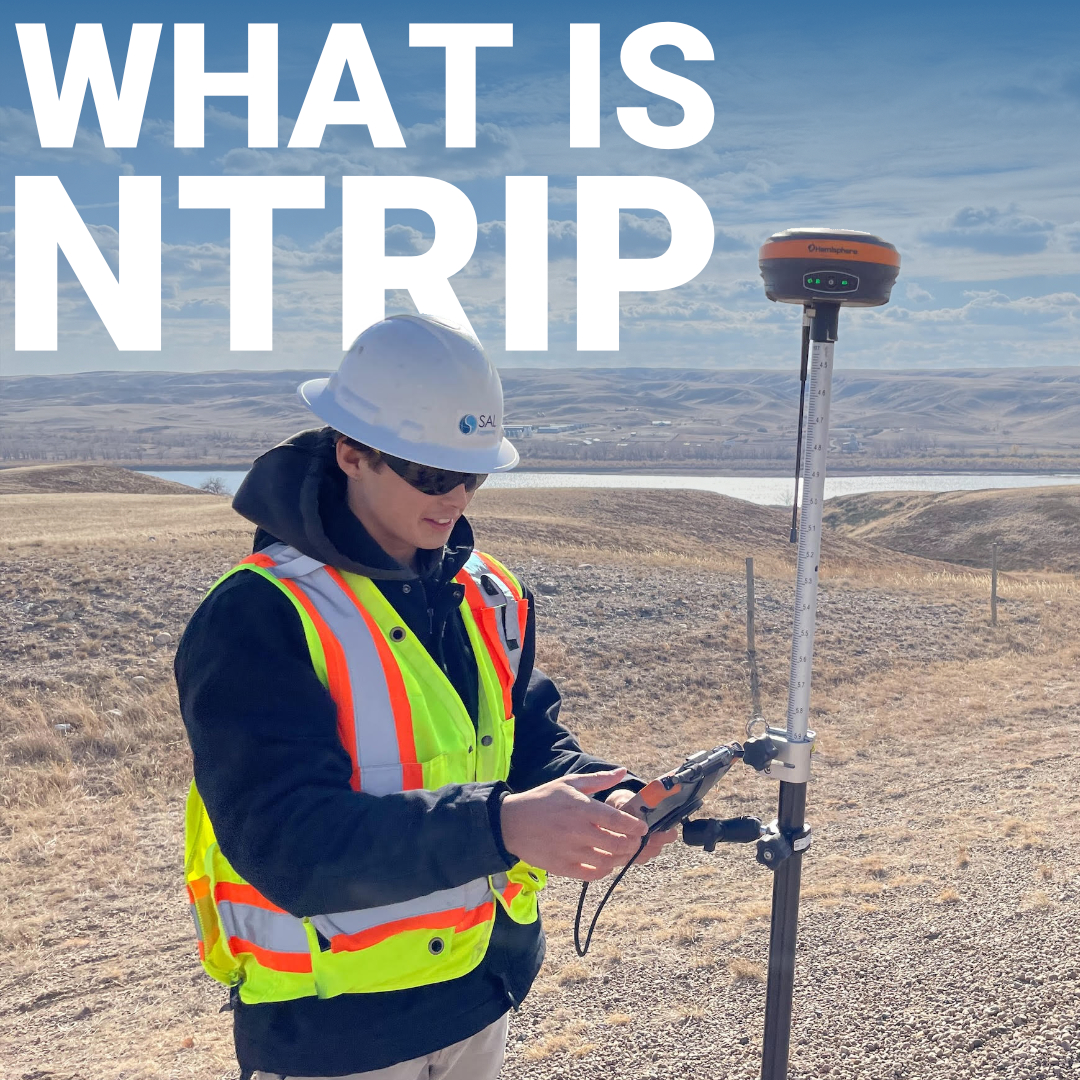
Every RTK receiver kit used to ship in pairs. One receiver went on the base, one went on the rover, and the accuracy of your