

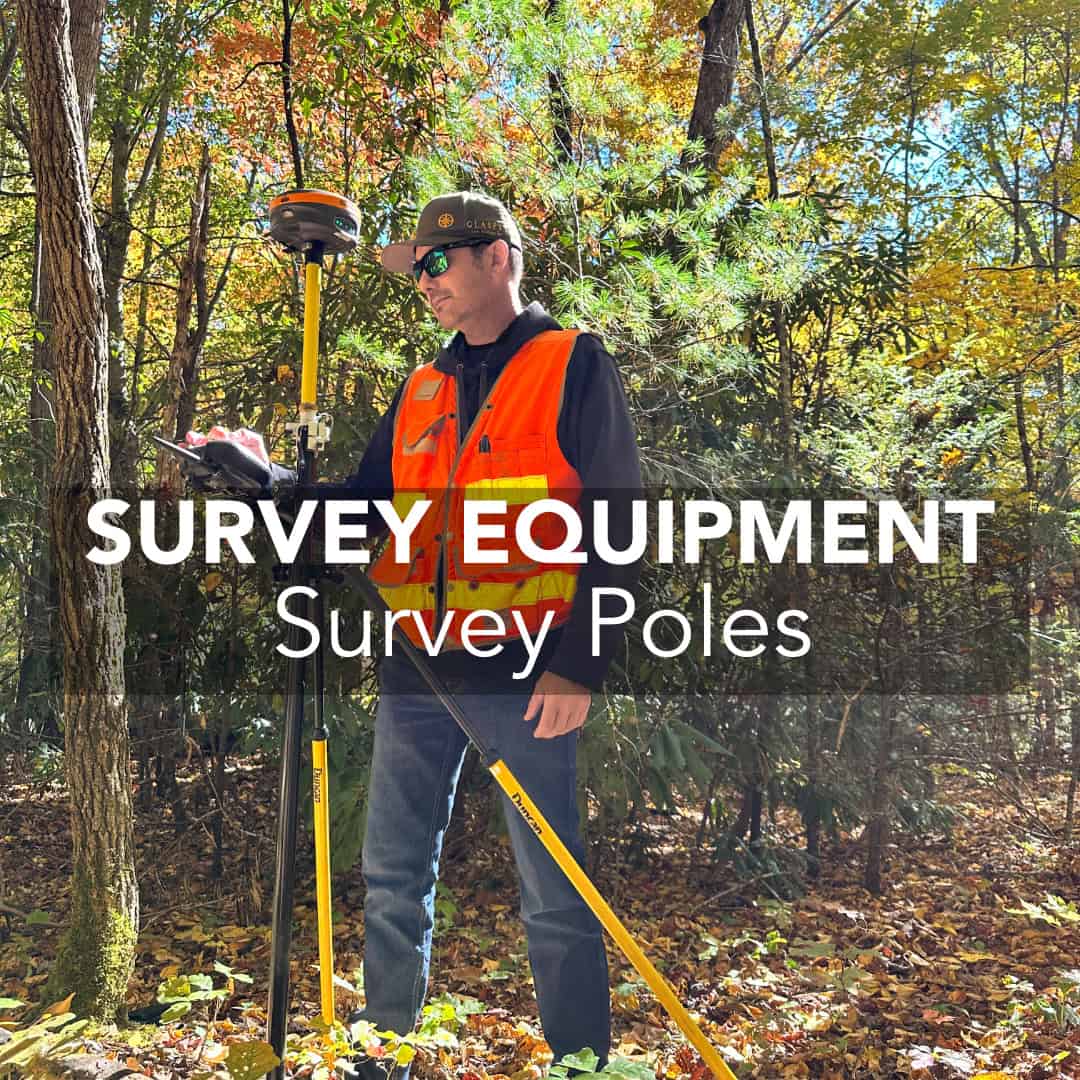
On any U.S. survey or construction site, the simplest tools like tripods, prisms, bipods, and surveying rods often determine how efficient the day will be. Even though rods seem straightforward, choosing between aluminum and fiberglass isn’t just about preference. Weight, durability, thermal behavior, and compatibility all influence how well the rod performs with GNSS receivers, total stations, and laser levels.
This guide breaks down the real-world differences between aluminum and fiberglass rods, how they behave on active job sites, and what U.S. survey and construction crews should consider before choosing one.
Why Surveying Rods Matter More Than People Think
Aluminum Surveying Rods: Strengths and Limitations
Fiberglass Surveying Rods: Built for Tougher Work
Practical Construction and Survey Considerations
Compatibility and Accessory Options
Safety and Electrical Properties
Cost, ROI and Longevity
Which Surveying Rod Should You Choose?
Final Thoughts
A surveying rod is more than just a pole to mount a prism or receiver. It’s a structural reference that must remain stable, readable, and consistent in hot sun, freezing weather, high wind, and dusty or muddy terrain. If the rod twists, bends, warps, or loses visibility in the field, the data will follow. And with modern RTK and robotic total station workflows pushing for tighter tolerances, rod quality affects measurement repeatability as much as the instrument itself.
Aluminum has been a standard rod material for decades. Crews use it for laser level work, basic layout, elevation checks, and simpler tasks where durability and extreme environmental resistance aren’t the top concern.
Aluminum rods offer good rigidity and light weight, making them comfortable for long days of quick setups. They extend smoothly and lock reliably. However, aluminum dents easily on rough surfaces, can wear down faster under heavy field use, and is more sensitive to temperature expansion. Advantages of aluminum rods:
The trade-offs come into play with long-term durability, environmental exposure, and measurement consistency under thermal changes, especially in open terrain or full sun.
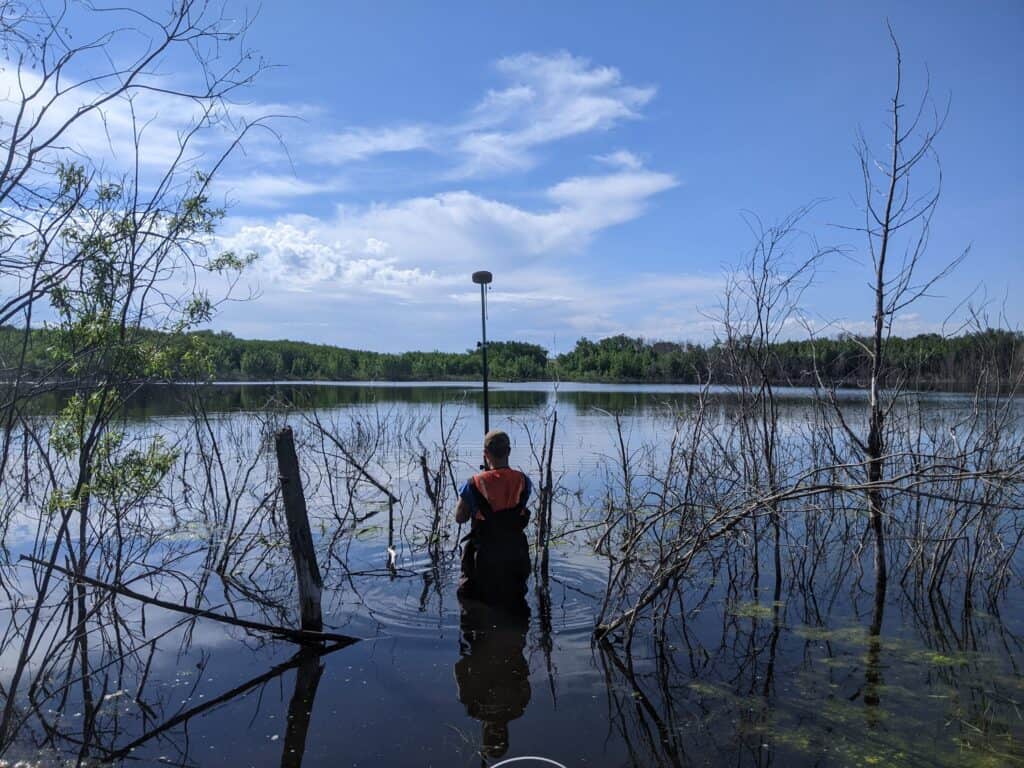
Fiberglass rods have become the go-to for crews who work daily in rugged terrain, exposed industrial sites, or harsh weather. The material resists impact, bending,g and abrasion better than aluminum, making fiberglass the more resilient choice for intensive surveying or construction workflows.
Fiberglass rods maintain consistent straightness even after countless load/unload cycles, impacts, or being tossed into the back of a truck. They handle high heat, cold, and humidity with minimal shape change. Advantages of fiberglass rods:
The main downside is weight. Fiberglass rods are heavier, and on large U.S. sites, that means more fatigue during long walking intervals or continuous topo. For a crew that rarely uses a rod or works on flat, simple jobs, the added durability may not justify the heavier equipment.
When comparing aluminum and fiberglass rods, real-world U.S. job site conditions matter more than lab specs. Terrain, climate, equipment load, and workflow all influence which rod works best.
Aluminum rods are significantly lighter, which matters on suburban subdivision stakes, road corridors, or large commercial sites where crews move constantly. Fiberglass rods can feel heavy over long distances, but their rigidity pays off for precision topo or control work.
In areas with rough brush, gravel, rocky ground, or industrial hazards, fiberglass holds up significantly better. Aluminum shows wear faster and may require replacement sooner for high-intensity crews.
Aluminum expands and contracts with temperature shifts more readily. In direct sunlight, common across the southern U.S., that can influence rod length slightly. Fiberglass offers much better thermal stability.
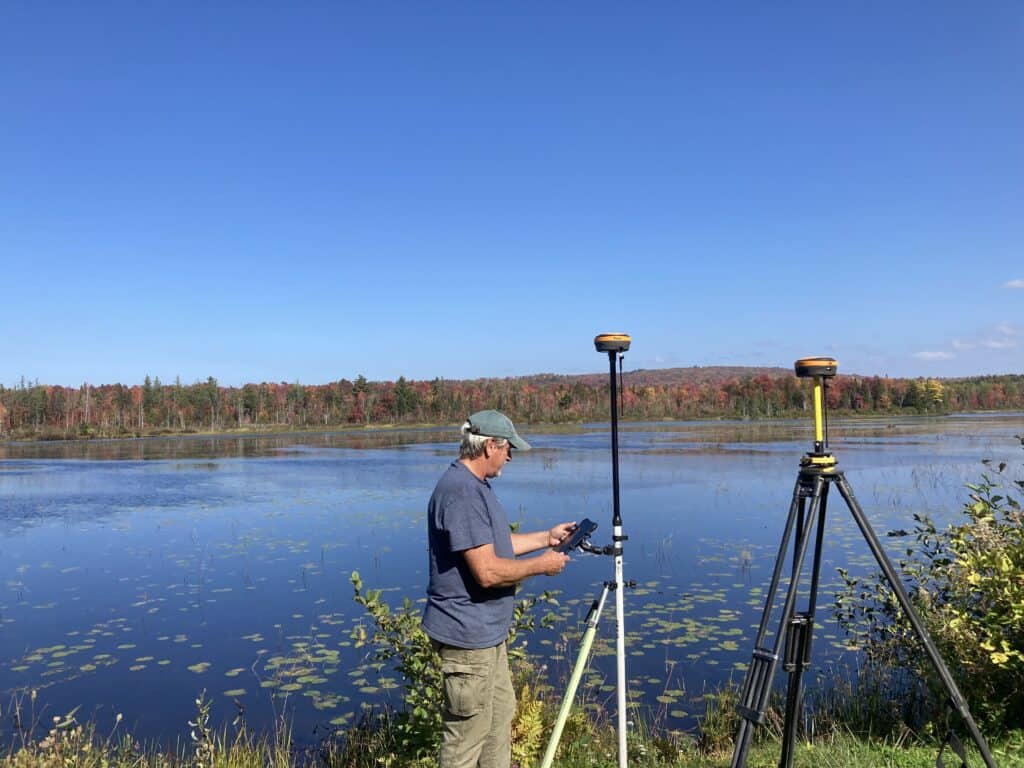
Modern U.S. surveying workflows depend heavily on rod compatibility with prisms, GNSS receivers, laser detectors, and bubble levels. Compatibility differences:
If your workflow involves regularly swapping between prism work, GPS rover setup, and laser grade checks, fiberglass gives you more structural reliability. If your workflow is mostly laser-level-based construction layout, aluminum keeps things light and simple.
Fiberglass offers one major advantage that often goes unnoticed: it is non-conductive. This matters on sites with overhead power lines, energized electrical structures, or industrial rails. When fiberglass improves safety:
Aluminum rods conduct electricity and require extra caution in these settings.
Aluminum rods cost less upfront and are a smart choice for crews who use rods occasionally or do not need maximum durability. If a rod is used only for laser elevation checks a few times a week, aluminum delivers good value.
Fiberglass costs more but pays off for heavy daily users, especially survey crews working with total stations, robotic instruments, or GNSS. Their lifespan is longer, and replacement cycles are less frequent, which often makes them more economical over several seasons.
If you only need a rod for occasional use, moderate conditions, or lightweight laser work, an aluminum rod is perfectly suitable. It keeps weight down, reduces fatigue, and keeps costs low.
If you work daily in rough environments, need stability for GNSS or prism setups, or want equipment that holds up over the years, fiberglass is the better investment.
For U.S. crews balancing layout speed, durability, and long-term ROI, the choice usually aligns with how often the rod is used and the level of precision expected on the job.
Both aluminum and fiberglass surveying rods have their place in U.S. surveying, construction, and engineering. Aluminum remains an affordable, lightweight option for simpler workflows and intermittent use. Fiberglass offers superior rigidity, impact resistance, and long-term durability, ideal for daily data collection, GNSS setups, and precision layout.At Bench-Mark, we support crews across all 50 states with surveying equipment built for real-world conditions. Whether you’re upgrading to more durable fiberglass rods or choosing a lighter aluminum option, we help match the right equipment to your workflow, accuracy needs, and environment, so every measurement starts with a stable foundation.
